Best Real Estate & Property Management Software for Small Landlords
Managing rental property with spreadsheets and text messages works right up until a lease detail gets missed, a maintenance request slips through, or rent shows up late without anyone noticing until it’s a real problem. Property management software exists to catch exactly those gaps — tenant screening, lease tracking, rent collection, and maintenance requests handled in one system instead of scattered across email, paper files, and memory.
The right platform depends mostly on the size of your portfolio and how much you want to spend before you’re managing enough units to justify it. A landlord with one or two properties has different needs than someone managing a growing portfolio of a dozen or more, and paying for enterprise-grade features you won’t use for years rarely makes sense. Several platforms in this category also compete heavily on free or low-cost entry tiers, which makes it worth comparing what’s actually included at each price point rather than assuming cheaper always means fewer features.
Below you’ll find our honest reviews, setup guides, and practical tips for the property management tools that help small landlords screen tenants, collect rent, and stay organized without hiring a management company.
Our Top Picks
| Software |
Best For |
Standout Strength |
Full Review |
| DoorLoop |
All-in-one property management |
Lease tracking, rent collection, maintenance, and accounting in one platform |
Read the review |
| TurboTenant |
Small landlords wanting free core tools |
Strong free tenant screening and listing syndication before paying for anything |
Read the review |
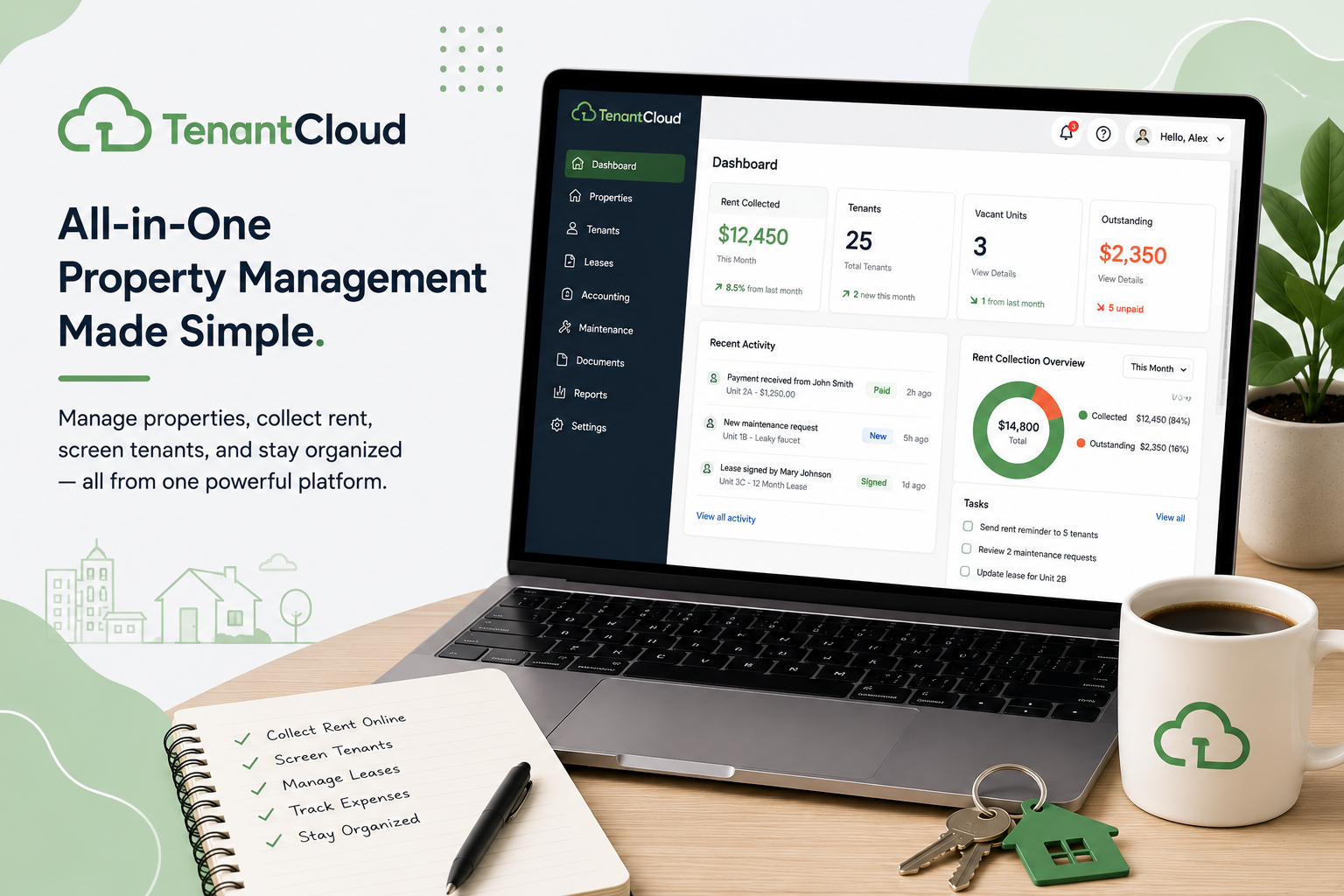
| TenantCloud |
Budget-conscious landlords needing core features |
Free tier covers basic rent collection and tenant communication |
Read the review |
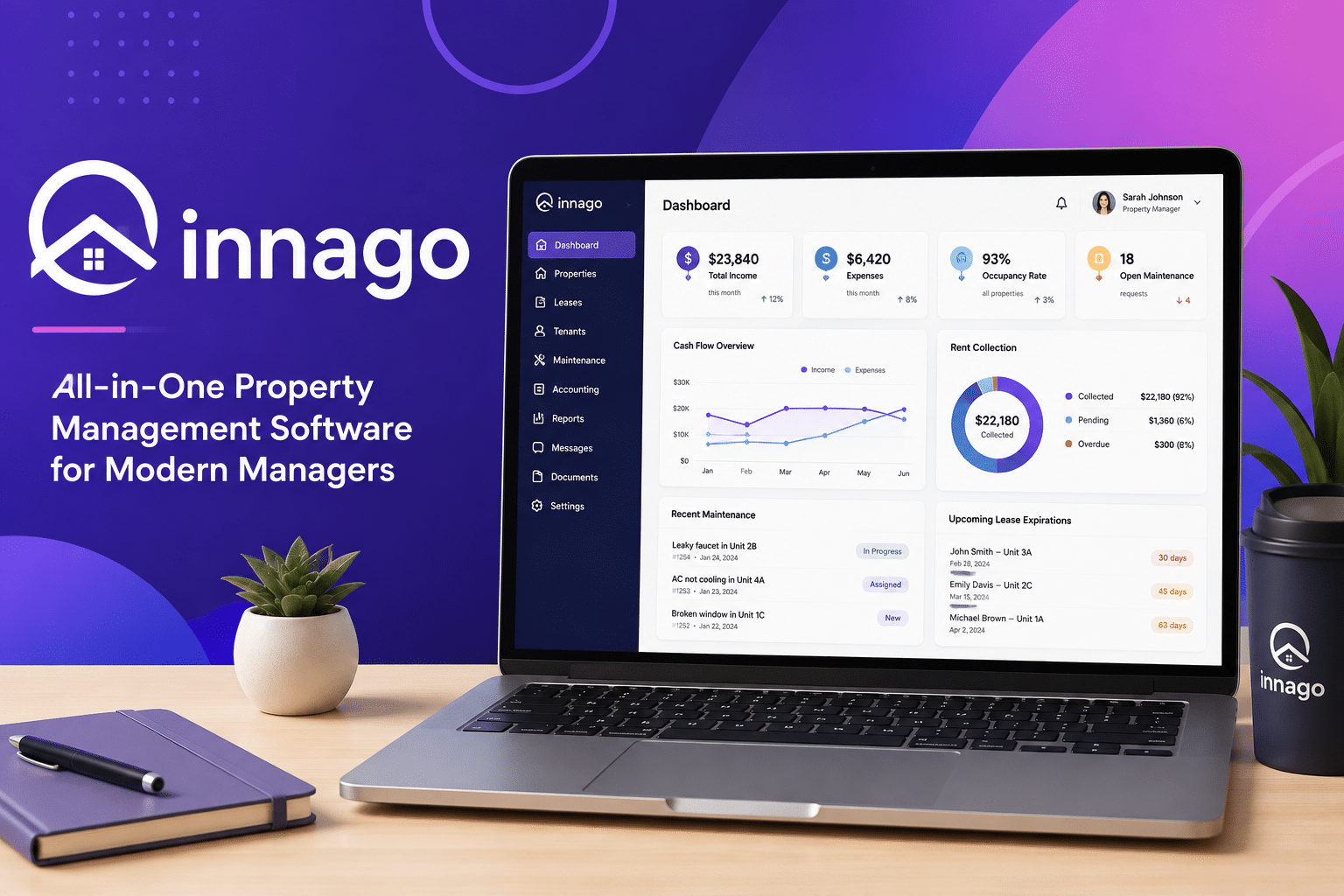
| Innago |
Small portfolios wanting simple, low-cost tools |
Straightforward rent collection and lease management without a steep learning curve |
Read the review |
Best All-in-One Property Management Platform
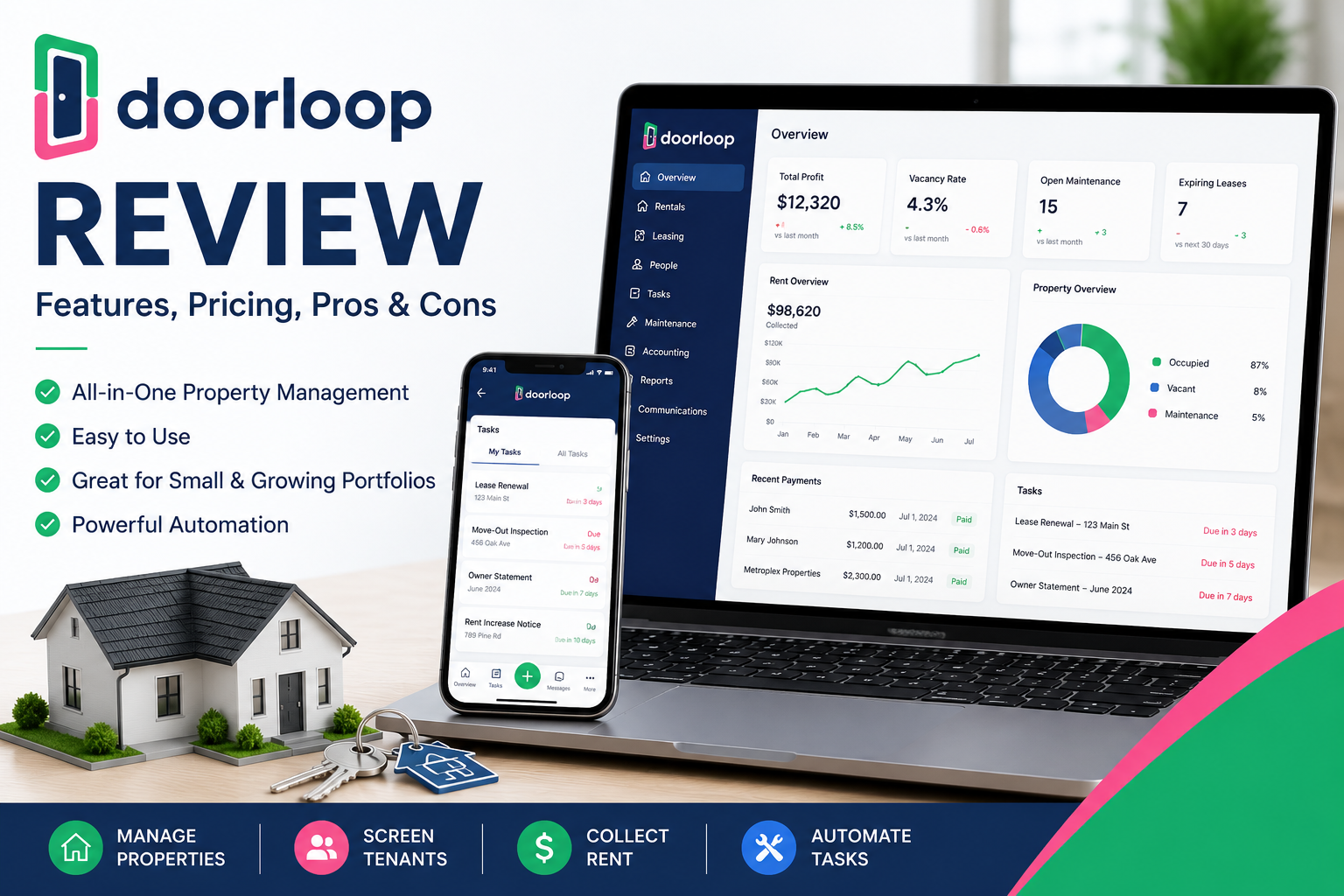
DoorLoop is the strongest choice for a landlord or property manager who wants everything in one place — lease tracking, rent collection, maintenance requests, tenant communication, and accounting, rather than stitching together several disconnected tools. It’s built to scale from a handful of units to a much larger portfolio without switching platforms, which makes it a reasonable choice even for a smaller landlord planning to grow. Read the full DoorLoop review.
Best Free and Low-Cost Options for Small Landlords
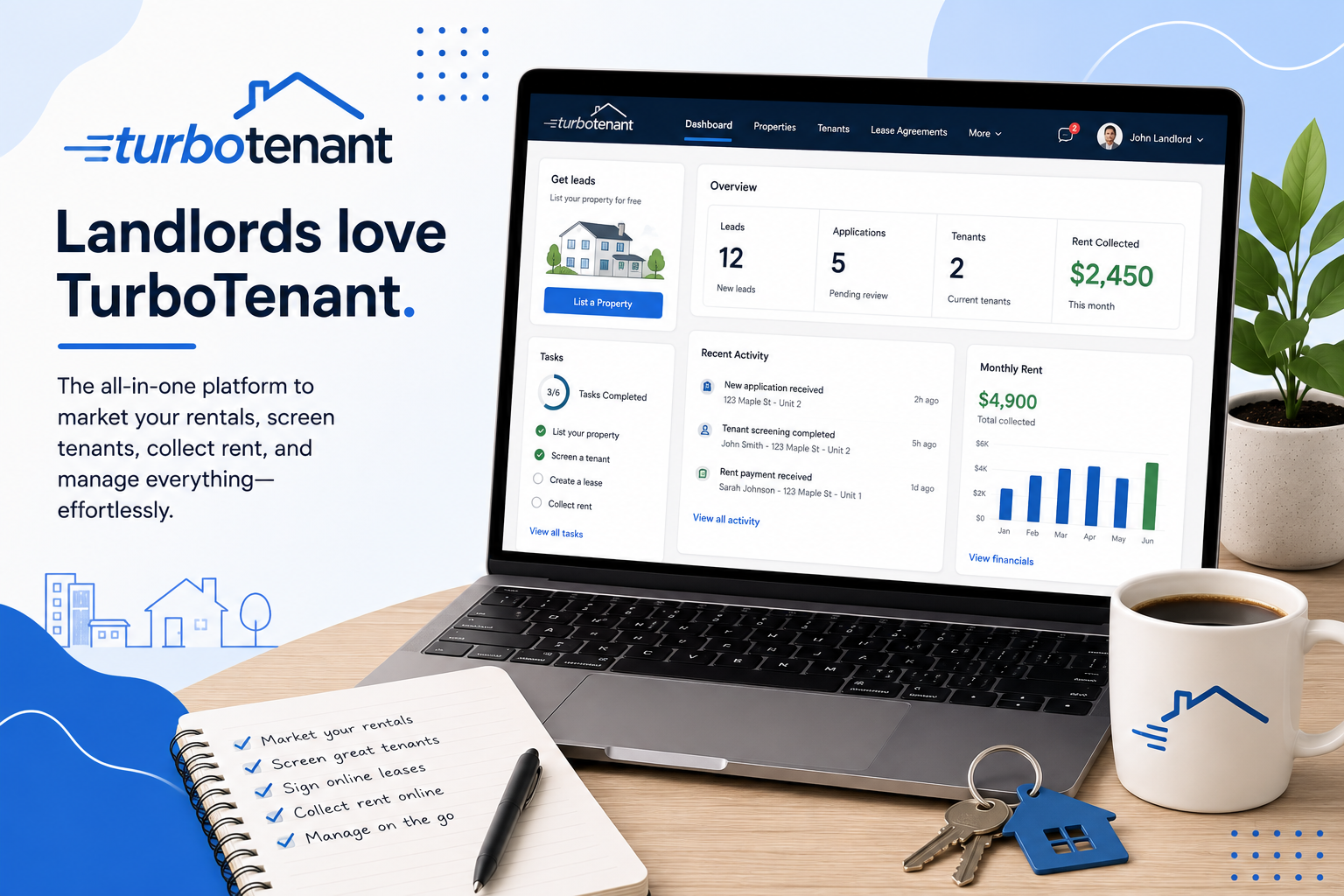
TurboTenant is the strongest starting point for a landlord with just one or a few units — tenant screening and listing syndication are available free, which lets you handle the most important early steps (finding and vetting a tenant) without committing to a paid platform first. TenantCloud competes on similar ground, with a free tier that covers basic rent collection and tenant communication. Innago rounds out the group as a simple, low-cost option focused on rent collection and lease management without the steeper learning curve of a full-featured platform like DoorLoop. All three are worth comparing directly if your portfolio is small enough that DoorLoop’s fuller feature set isn’t worth the higher price yet. Full reviews: TurboTenant, TenantCloud, Innago.
What to Look for in Property Management Software
What’s actually free versus what unlocks at a paid tier. Several platforms in this category compete heavily on free tiers, but core features like online rent collection, maintenance tracking, or accounting are often gated differently between them — compare the free tier’s real limits, not just the fact that one exists.
Tenant screening depth and compliance. Screening reports, background checks, and eviction history vary in depth and cost between platforms, and screening compliance requirements differ by state — confirm a platform supports your state’s specific requirements before relying on it.
A tenant-facing portal, not just a landlord dashboard. Online rent payment, maintenance requests, and communication tools matter as much for tenant experience as for your own organization — a clunky tenant portal creates support headaches even if your side of the software works well.
Growth path for your portfolio. A tool that’s ideal for two units may not scale comfortably to twenty. If you’re planning to grow, weigh a platform’s higher-tier pricing and features now rather than assuming you’ll switch painlessly later.
How We Evaluate Real Estate & Property Management Software
This category page and its linked reviews are research-based, drawing on official pricing and documentation, independent user feedback, and third-party comparisons. We weigh core lease and rent-collection functionality, tenant screening depth and compliance support, ease of use for an owner-operator without property management staff, pricing structure at realistic portfolio sizes, and tenant-facing experience.
All Real Estate & Property Management Software Reviews
For construction-specific software, see our Best Industry-Specific Software page, which also covers Buildertrend and Contractor Foreman.