Best Sales & Marketing Software for Small Businesses
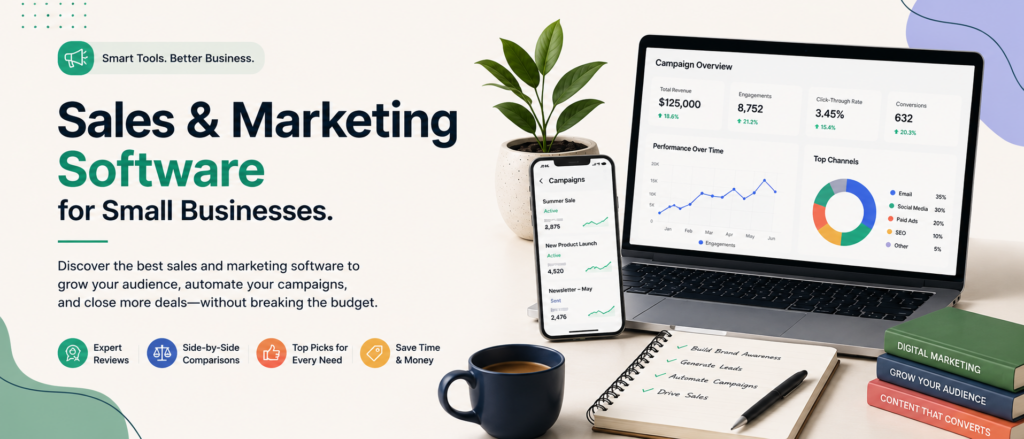
“Sales and marketing software” covers enough different jobs that no single tool does all of them well — email marketing, SEO, influencer campaigns, CRM, cold outreach, and sales call intelligence are each their own discipline with their own specialist tools. This page is organized by job for exactly that reason: find the section that matches what you’re actually trying to do, not a generic “best marketing tool” ranking.
Our Top Picks
| Software | Best For | Standout Strength | Full Review |
| Klaviyo | eCommerce email & SMS marketing | Deep native integration with online store platforms and purchase-behavior segmentation | Read the review |
| Semrush | All-in-one SEO and competitive research | The broadest SEO toolset in one platform, from keyword research to site audits | Read the review |
| Pipedrive CRM | Simple, visual sales pipeline management | Built specifically around a sales pipeline rather than general contact management | Read the review |
| Apollo.io | Sales prospecting and outbound | Large contact database combined with built-in outreach sequencing | Read the review |
| Fireflies.ai | Automated sales call notes | Auto-joins sales calls and syncs summaries directly to your CRM | Read the review |
Best Email & SMS Marketing Software
Klaviyo leads for eCommerce businesses specifically — its integration with online store platforms means email and SMS campaigns can trigger directly off purchase behavior, cart abandonment, and customer lifetime value, not just a generic mailing list. Omnisend covers similar ground at a lower entry price, a reasonable choice for a smaller store that wants Klaviyo-style automation without the same cost. ActiveCampaign is the stronger pick for a business that wants marketing automation bundled with basic CRM functionality rather than a pure email tool. Kit (formerly ConvertKit) is built specifically for creators and solo entrepreneurs monetizing an audience through email, and it shows in features aimed at that audience rather than general retail. Full reviews: Klaviyo, Omnisend, ActiveCampaign, Kit.
Best SEO & Content Optimization Software
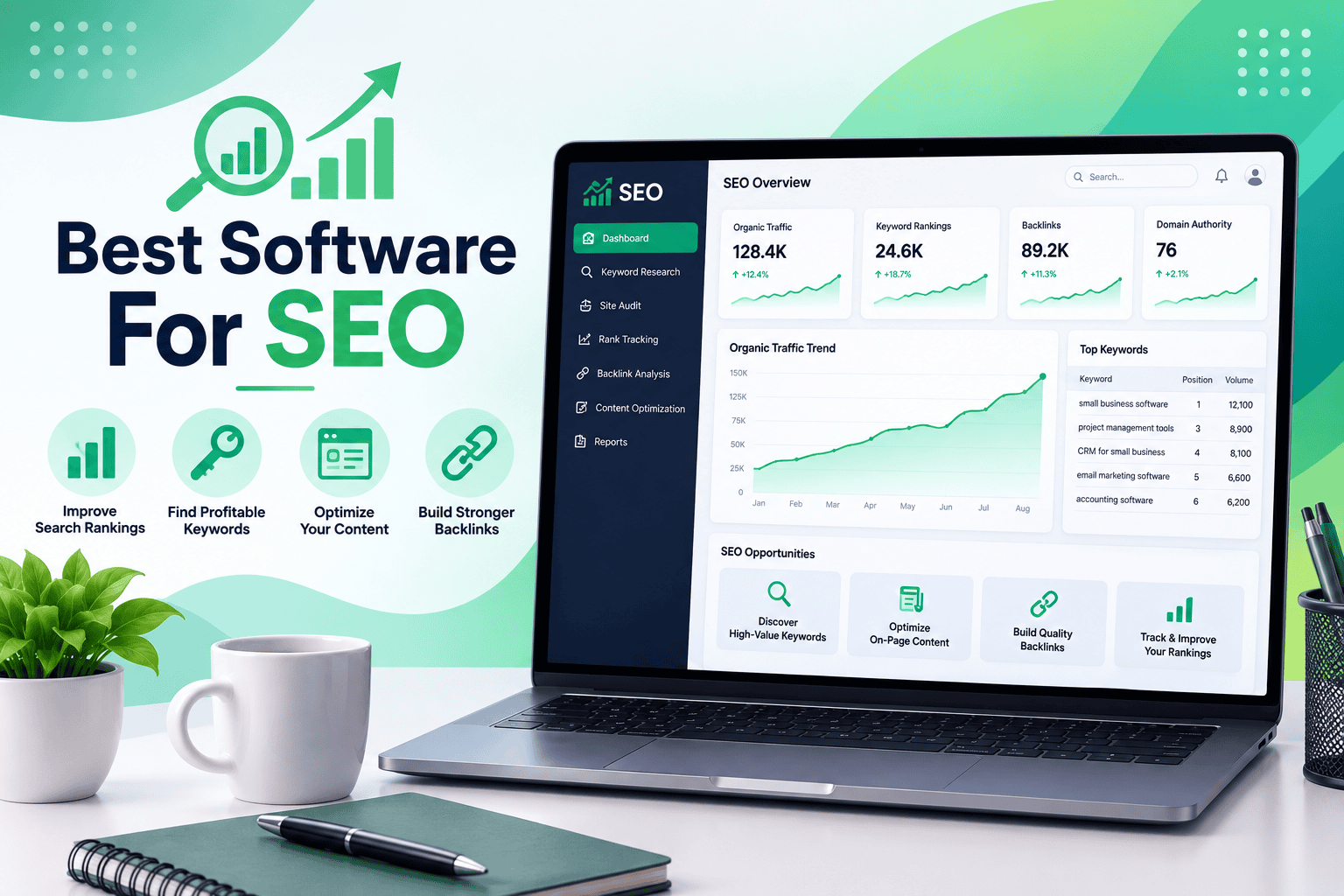
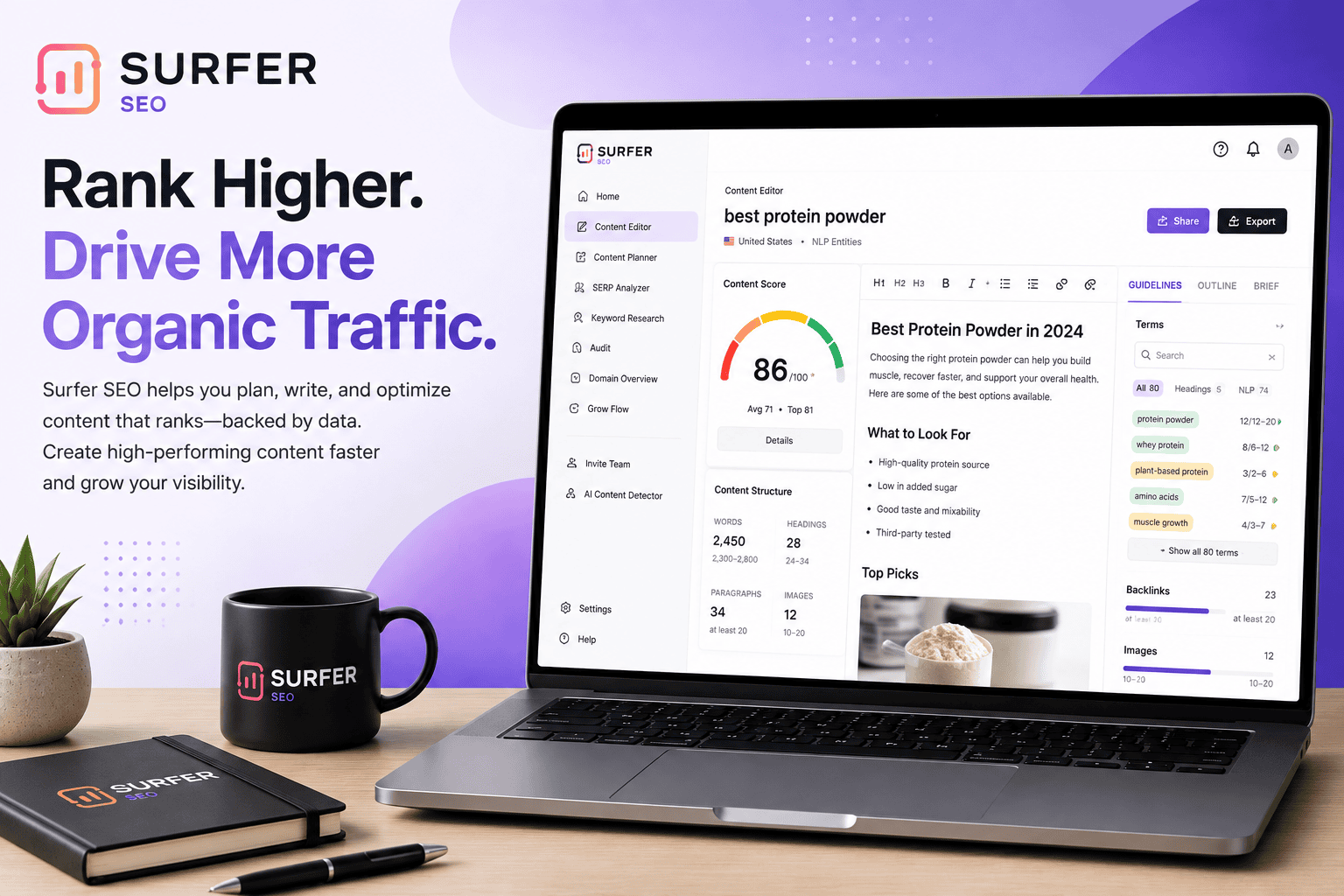
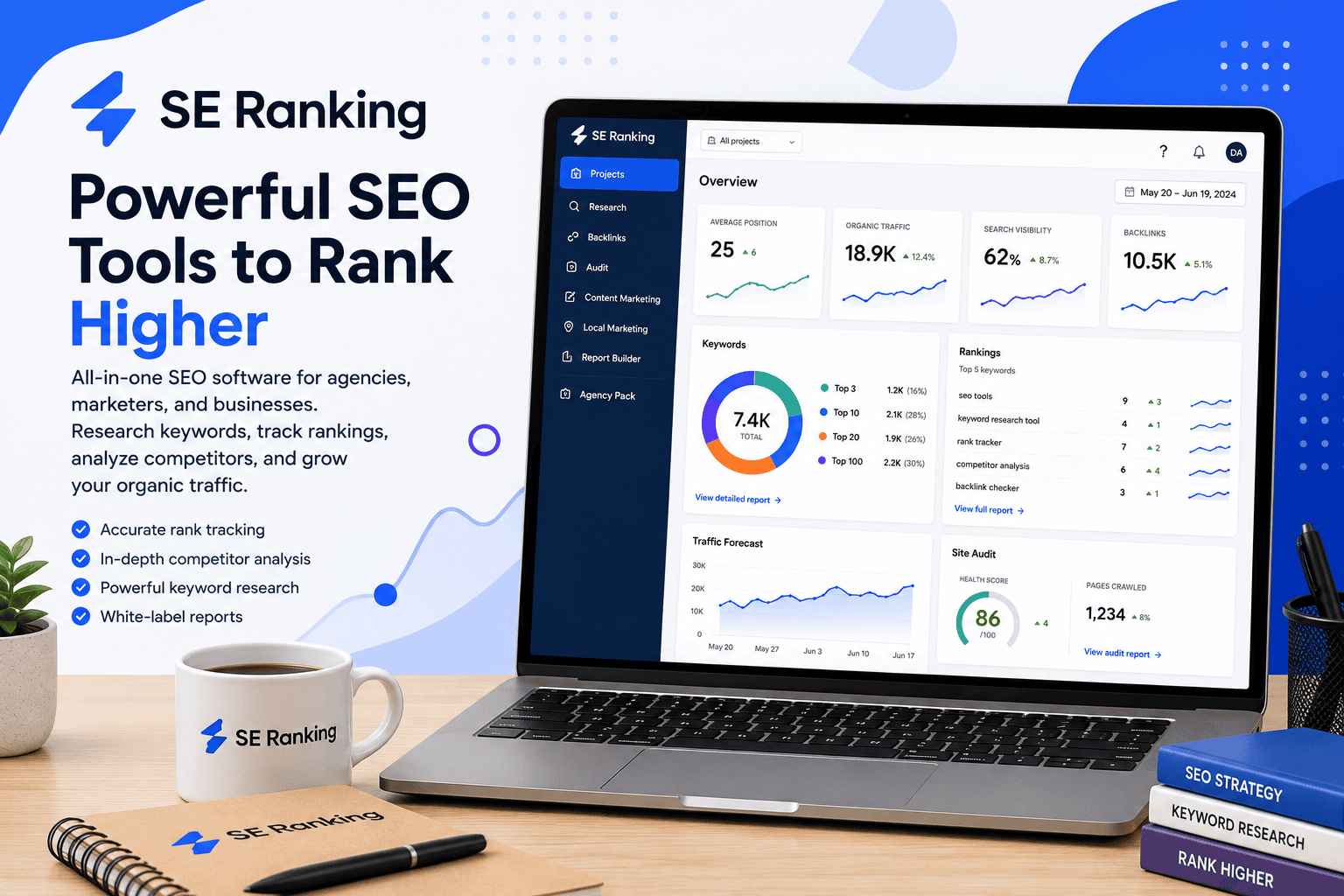
Semrush is the broadest tool in this group — keyword research, site audits, competitor tracking, and content optimization in one platform, which makes it the default choice for a business that wants one SEO subscription rather than several narrow ones. Surfer SEO is a better fit if your actual bottleneck is on-page content quality specifically — it scores and guides individual pieces of content against what’s already ranking. SE Ranking and Mangools both serve budget-conscious teams that want core rank tracking and keyword research without Semrush’s full price tag, with Mangools generally the simpler, more approachable interface of the two. SpyFu and Serpstat both specialize more narrowly in competitor research — useful additions once you know which competitors you’re actually trying to outrank rather than a first SEO tool. Full reviews: Semrush, Surfer SEO, SE Ranking, Mangools, SpyFu, Serpstat.
Best Influencer Marketing Software
Upfluence is the strongest all-around pick for finding and managing influencer partnerships, with search and relationship-management tools built specifically for that workflow rather than adapted from general marketing software. GRIN is a close competitor aimed more squarely at eCommerce brands running ongoing creator programs. Aspire (formerly AspireIQ) and Influencity both round out the category with their own take on creator discovery and campaign tracking — worth comparing directly against Upfluence and GRIN if neither is a clear fit for your specific campaign style. Full reviews: Upfluence, GRIN, Aspire, Influencity.
Best CRM Platforms
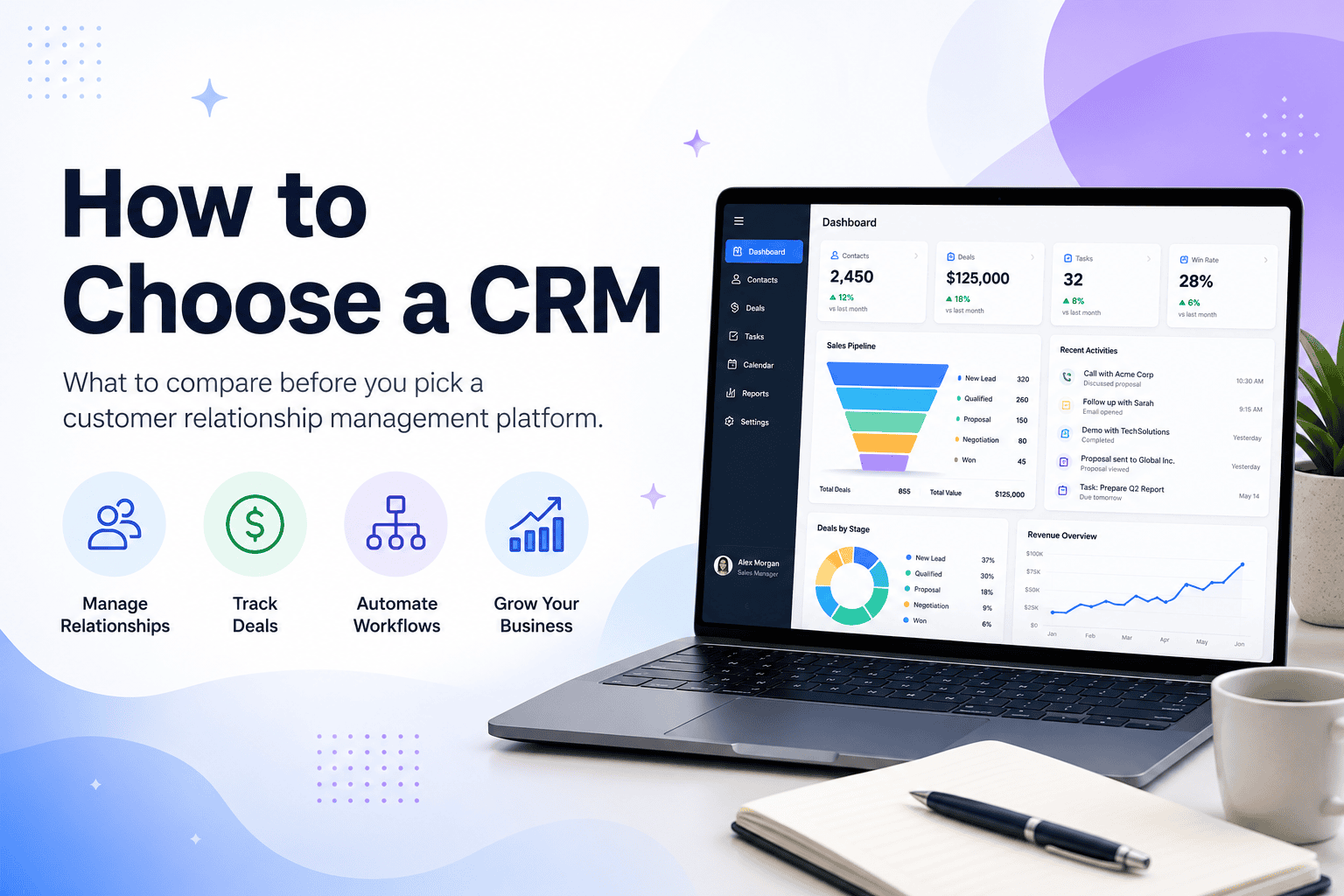
Pipedrive is built around a visual sales pipeline first and contact management second, which makes it a strong fit for a sales team that thinks in terms of deal stages and wants software that mirrors that process without a lot of setup. monday CRM is the better choice for a team that wants CRM functionality inside the same visual, highly customizable workspace as their other monday.com boards. Zoho CRM is the value pick, particularly for a business already using other Zoho products, where native integration across the ecosystem adds value beyond the CRM itself. Full reviews: Pipedrive CRM, monday CRM, Zoho CRM.
Best Sales Engagement & Outreach Software
Apollo.io combines a large prospect database with built-in outreach sequencing, making it a strong single-tool option for finding leads and contacting them without stitching together separate products. Instantly.ai and Lemlist both specialize more narrowly in cold email outreach at scale, with Lemlist particularly known for personalization features aimed at improving reply rates. HubSpot Sales Hub is the better fit for a team that wants sales engagement tools tied directly into a broader HubSpot CRM and marketing setup. Lavender takes a different angle entirely — an AI writing assistant that scores and improves individual sales emails as you write them, useful alongside any of the above rather than as a replacement for them. Close CRM is worth a direct look for small sales teams that want calling and email built natively into the CRM itself rather than bolted on. Full reviews: Apollo.io, Instantly.ai, Lemlist, HubSpot Sales Hub, Lavender, Close CRM.
Best Sales Meeting Intelligence Software
Fireflies.ai and Fathom AI both solve the same core problem — auto-joining sales calls, transcribing them, and syncing summaries and action items back to your CRM — removing manual note-taking from every sales call. The choice between them typically comes down to which CRM and calendar integrations matter most to your specific stack; both are worth comparing directly rather than assuming one is a universal winner. Full reviews: Fireflies.ai, Fathom AI.
What to Look for in Sales & Marketing Software
Whether the tool matches your actual sales/marketing motion, not a generic best-seller list. A pipeline-driven sales team needs different software than a high-volume cold outreach team, which needs different software again from an eCommerce brand doing lifecycle email. Start from your actual workflow, not a category ranking.
Integration with your existing stack. Sales and marketing tools rarely work in isolation — a CRM that doesn’t talk to your email platform, or an SEO tool that doesn’t export to your CMS, creates manual work that erodes the time savings the software is supposed to provide.
Per-contact or per-send pricing at your real volume. Many tools in this category price by contact count, email volume, or number of tracked keywords. Model cost at your actual (or realistically projected) volume, not the entry-tier example most pricing pages lead with.
Data ownership and portability. CRM and email marketing data is some of the most valuable data a small business owns. Confirm you can export your contact and campaign history cleanly before you’re several years into a platform and considering a switch.
How We Evaluate Sales & Marketing Software
This category page and its linked reviews are research-based, drawing on official pricing and documentation, independent user feedback, and third-party comparisons. We weigh core functionality for the tool’s specific job (email deliverability, SEO data accuracy, CRM pipeline flexibility, outreach deliverability, or transcription accuracy), pricing structure at realistic usage levels, integration depth with common small-business tech stacks, and ease of use for a non-specialist team.
All Sales & Marketing Software Reviews
Email & SMS Marketing: Klaviyo · Omnisend · ActiveCampaign · Kit
SEO & Content Optimization: Semrush · Surfer SEO · SE Ranking · Mangools · SpyFu · Serpstat
Influencer Marketing: Upfluence · GRIN · Aspire · Influencity
CRM Platforms: Pipedrive CRM · monday CRM · Zoho CRM
Sales Engagement & Outreach: Apollo.io · Instantly.ai · Lemlist · HubSpot Sales Hub · Lavender · Close CRM
Sales Meeting Intelligence: Fireflies.ai · Fathom AI
For AI-generated marketing content specifically, see our Jasper AI, Writesonic, Rytr, and Frase reviews instead.